

As AI reshapes search engine optimisation, businesses must adapt to stay competitive. Google’s use of AI in search requires a proactive SEO approach that embeds AI-powered tactics. This article explains how Ranks Grow prepares businesses for those shifts, outlines Google AI’s impact on SEO, and lists the practical steps companies can take—covering AI-driven optimisation techniques, full audit processes, and strategies to future-proof SEO so organisations can drive organic growth.
Key Takeaways
- Google’s AI-powered search prioritizes user intent and content relevance over traditional keyword optimization.
- Regular AI SEO audits identify website performance and content quality improvements for better search rankings.
- Machine learning techniques like NLP and predictive analytics enhance SEO by understanding user queries contextually.
- Technical SEO audits focus on site architecture, page speed, and mobile responsiveness to optimize for AI algorithms.
- Structured data and Schema.org markup improve search engine comprehension and enhance visibility with rich snippets.
- Ranks Grow uses advanced AI SEO tools to automate analysis and optimize content strategies effectively.
- Continuous monitoring of Google AI updates allows timely SEO strategy adjustments to maintain search visibility.
- Integrating AI-driven SEO strategies leads to measurable organic traffic growth and improved search rankings.
- Future-proof SEO requires focusing on AI integration, user experience, and structured data implementation.
What Is Google’s AI-Powered Search and Its Impact on SEO?
Google’s AI-powered search uses advanced models to deliver more relevant results and improve the user experience. That shift changes conventional SEO tactics and makes understanding AI’s role in search behaviour essential. Businesses need to prioritise AI integration to preserve visibility, since AI evaluates user intent and keyword context with greater nuance.
AI changes how queries are interpreted and matched to content, placing higher value on high-quality, relevant content than on simple keyword density. Organisations that delay adapting risk losing ground to competitors that adopt more advanced optimisation methods.
How Does Google AI Algorithm Update Change Search Rankings?

Google regularly updates its AI algorithms to refine ranking signals. Recent changes have elevated user experience factors—page load speed and mobile-friendliness—into key ranking criteria. These updates require businesses to improve site performance and interface design.
Knowing how these algorithms evolve lets businesses adapt SEO plans effectively. Regular audits and AI-derived insights help anticipate ranking factor shifts and align content strategies accordingly.
Which Machine Learning SEO Techniques Improve Ranking with AI?
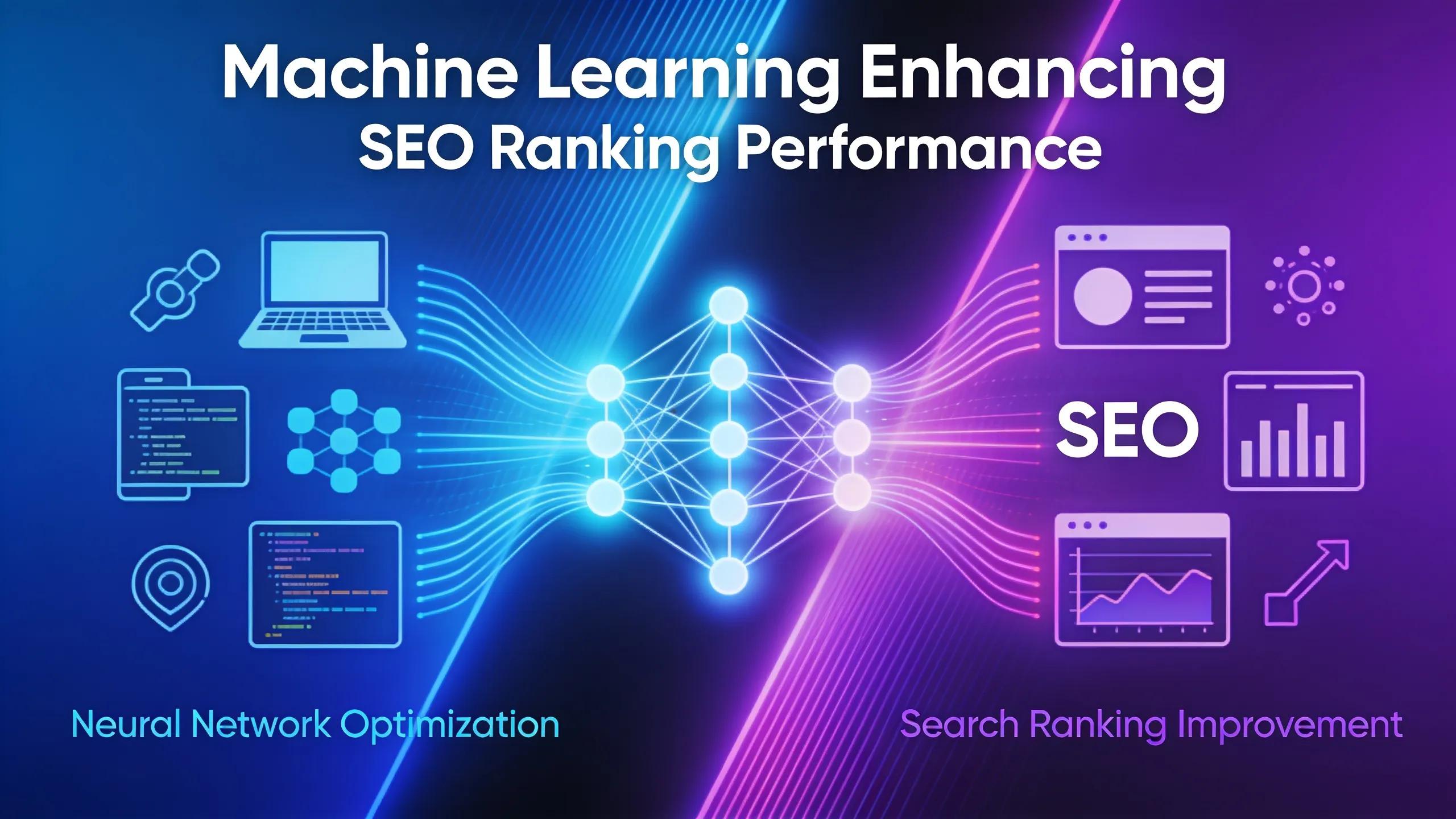
Machine learning techniques analyse large datasets to reveal patterns traditional methods miss. Approaches like natural language processing (NLP) boost content relevance by interpreting queries in context, improving keyword targeting and content effectiveness.
Predictive analytics helps forecast search trends so teams can optimise content proactively. Used together, these ML methods improve rankings and align content more closely with user intent.
How Does Ranks Grow Conduct Comprehensive AI SEO Audits?
Ranks Grow follows a structured process for AI SEO audits that identifies strengths and weaknesses across digital marketing efforts. Audits cover website performance, content quality, and technical SEO, delivering actionable recommendations.
The audit methodology blends AI-driven analysis with expert review. This combined approach produces a thorough assessment and tailored recommendations so businesses can adapt to changing SEO conditions; engaging these services helps ensure lasting search visibility.
What Does a Technical SEO Audit Include for AI Optimization?
A technical SEO audit is essential for optimising sites for AI-driven search. It examines site architecture, meta tags, page speed and other technical elements so AI systems can crawl and index pages efficiently.
The audit also checks device responsiveness, which affects user engagement. Ranks Grow stresses these technical fixes as the foundation for effective AI optimisation.
How Are AI Search Optimization Opportunities Identified in Audits?
AI optimisation opportunities emerge from a strategic review of audit findings. Ranks Grow employs a data-led process to spot improvement areas—identifying underperforming pages, refining content relevance, and ensuring technical compliance with search guidelines.
A free SEO audit helps businesses see their current position and lets Ranks Grow recommend tailored strategies. Those recommendations support continuous growth and adaptation in a fast-changing digital environment.
Which Future-Proof SEO Best Practices Does Ranks Grow Recommend?
To future-proof SEO strategies, Ranks Grow recommends businesses adopt several best practices:
- Integrate AI in SEO: Leverage AI tools for content creation and optimization.
- Focus on User Experience: Prioritize site performance and user interfaces to meet AI algorithm expectations.
- Implement Structured Data: Utilize schema markup to help search engines read and interpret website content more effectively.
Following these steps helps businesses build resilient SEO systems that adapt as search technology advances.
How to Integrate AI-Driven Search Optimization in Content Strategy?
Integrating AI into content strategy means aligning creation with user intent and AI-identified search behaviour. Use audience insights to shape content that answers real user needs and preferences.
Measure impact by tracking engagement, bounce rates and conversions, and use those metrics to refine content and improve results.
What Role Do Structured Data and Schema.org Markup Play for AI SEO?
Structured data and Schema.org markup help search engines interpret page content by adding clear context. That structure enables AI systems to surface relevant content, increasing the chance of higher rankings and rich result appearances.
Correctly implemented structured data also improves the user experience by showing useful details in search results, which can increase click-through rates and engagement.
How Does Ranks Grow Utilize Tools and Technologies for AI SEO?
Ranks Grow uses a set of tools and technologies to enhance AI SEO performance. These tools deliver insights, automate repetitive work, and support smarter strategic decisions for businesses seeking stronger online presence.
Core technologies include keyword analysis platforms, content optimisation tools and advanced analytics. Together, they help businesses assess performance and fine-tune their SEO approach.
Which AI SEO Tools Support Machine Learning Optimization?
Several AI SEO tools support machine learning-driven optimisation, helping businesses access deeper analytics and recommendations. Notable examples include:
- MarketMuse: Offers content optimization suggestions based on AI analysis of existing content and keyword targets.
- Surfer SEO: Utilizes machine learning algorithms to provide on-page optimization recommendations tailored to competitive analysis.
- Clearscope: Enhances content strategies by analyzing keywords and suggesting relevant topics to cover for better optimization.
Using these tools streamlines SEO workflows and helps improve rankings amid growing competition.
How Is Continuous Monitoring Applied to Google AI Algorithm Updates?
Continuous monitoring of Google AI updates is vital for maintaining search visibility. Ranks Grow uses analytics to track ranking and performance changes in real time, enabling fast strategy adjustments when algorithms shift.
Ongoing performance reviews inform the content and technical changes needed to sustain rankings and online presence.
What Success Stories and Case Studies Illustrate Ranks Grow’s AI SEO Impact?
Ranks Grow has produced tangible results for clients through AI-driven SEO work. Success stories show notable gains in search rankings and organic traffic, demonstrating the value of tailored AI strategies.
The case studies illustrate varied applications of AI SEO and deliver measurable outcomes from comprehensive audits and targeted implementations.
Which Businesses Have Improved Rankings Using AI SEO Strategies?
Multiple clients have improved rankings after applying Ranks Grow’s AI SEO methods. Each example highlights the impact of thorough audits, strategic content work and continuous optimisation, with metrics that reflect meaningful change.
How Do AI SEO Audits Translate to Measurable Organic Traffic Gains?
AI SEO audits drive organic gains by uncovering actionable improvements to site performance and content relevance. Before-and-after client results show how focused audits can materially increase organic traffic.
By committing to ongoing optimisation guided by performance data, businesses can secure durable improvements to their online visibility.
Frequently Asked Questions
What are the key challenges businesses face when adapting to AI-driven SEO?
Common challenges include limited understanding of AI tools, difficulty integrating new technologies into existing workflows, and gaps in team skills. Staying current with Google’s algorithm changes also demands dedicated time and expertise. Without a clear plan and the right knowledge, organisations risk lagging behind competitors who successfully adopt AI.
How often should businesses conduct AI SEO audits?
AI SEO audits should occur at least quarterly, and more often after major Google updates. Regular audits expose performance gaps, track progress and guide strategy adjustments so SEO remains effective.
What role does user experience (UX) play in AI-driven SEO?
UX is central to AI-driven SEO because search systems increasingly reward satisfaction and engagement. Elements like navigation, load speed and mobile responsiveness shape how users interact with a site. Better UX boosts session length and cuts bounce rates—signals that influence ranking—so UX optimisation is essential.
What industries benefit the most from AI SEO strategies?
Industries that rely on digital discovery—such as e-commerce, travel and online education—see significant gains from AI SEO. E-commerce can improve product visibility, travel can anticipate seasonal trends, and education providers can tailor content to learner behaviour. In short, any digitally focused sector can benefit.
How can businesses measure the success of AI SEO strategies?
Measure success with metrics like organic traffic, conversion rates and keyword rankings. Tools such as Google Analytics and specialised SEO platforms provide the data needed to evaluate changes after AI-driven initiatives. Regular review and adjustment based on those metrics ensure long-term progress.
What future trends should businesses watch for in AI SEO?
Watch for voice search optimisation, a stronger focus on local SEO, and deeper AI-driven personalisation. As voice queries grow, content should target conversational phrases. Local search will gain importance as users rely on location-based results. Advances in personalisation will enable more customised content experiences, offering a competitive edge for those who adapt.
Conclusion
Adopting AI-powered SEO is essential for businesses that want to remain competitive. Tailored solutions improve user experience, sharpen content relevance and increase organic traffic. Working with Ranks Grow helps businesses make this transition and keep their SEO future-proof. Explore our services today to empower your business with cutting-edge AI SEO solutions.


